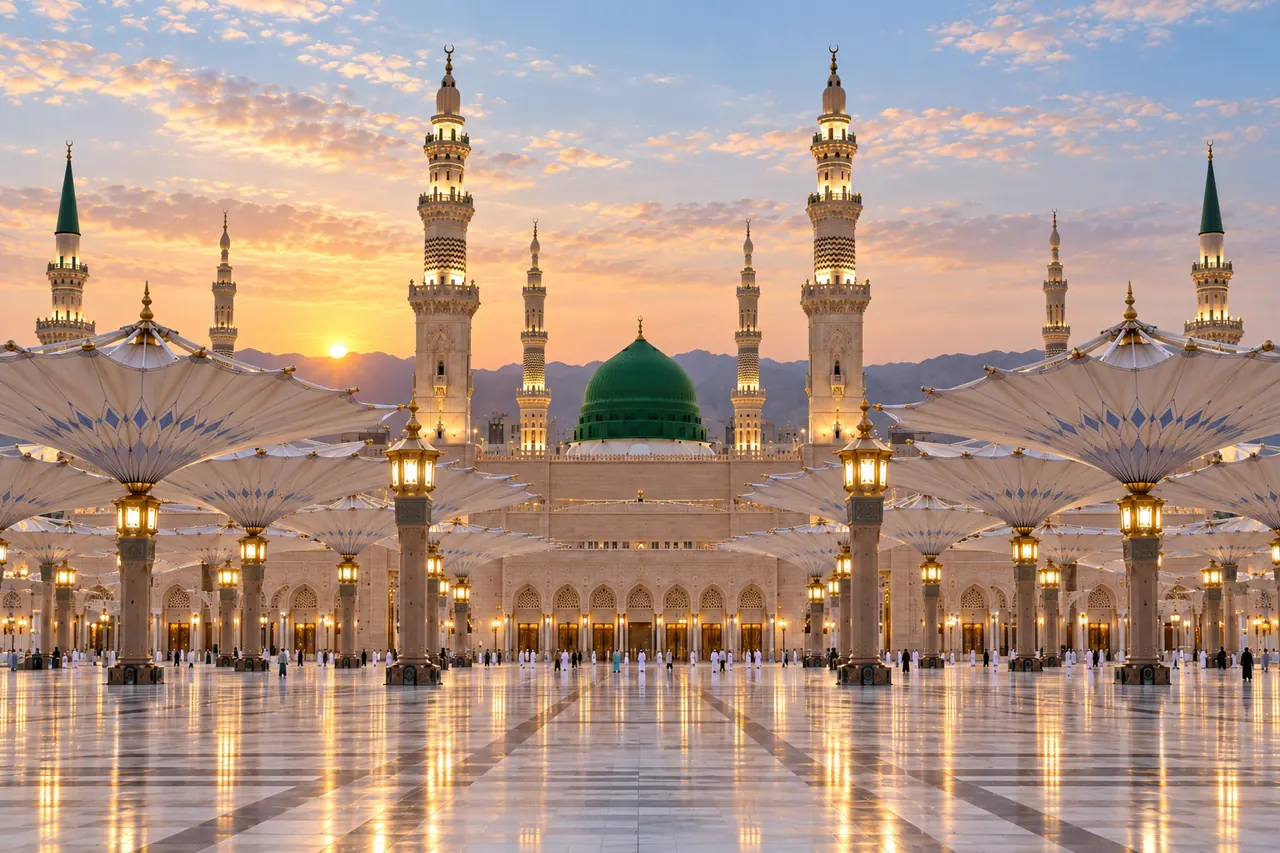
A Madinah ziyarah programme for Umrah groups, with Rawdah permits
How a company builds a group’s daily schedule: the Rawdah permit first, then the visits, then the coach and guide, without clashes.
A Madinah ziyarah programme is part of the service pilgrims expect from a company and its agent. It is also coordination work: permits, site hours, coaches, guides and several groups on the same day. This guide is for Umrah company operations teams, not a pilgrim planning their own trip.
The Rawdah permit: what concerns a company?
According to Siasat’s December 2025 report on the General Authority for the Care of the Two Holy Mosques, a Rawdah visit requires a permit through Nusuk, with booking allowed once every 365 days. Rules and hours can change, so confirm them on Nusuk before building the programme, and do not promise a group a time until it appears on the permit.
In practice, gather the slots the group obtained, record them, and make them fixed points in its schedule. Record who did not get a slot, so the supervisor knows before a pilgrim stands at the entrance. There is more on group readiness in the Nusuk Masar guide.
Steps to build the programme
This order reduces rework:
- Fix the arrival and departure times, with rest after arrival.
- Put Rawdah permit slots on their days, then prayers and meals if included in the service.
- Choose the visit sites agreed in the package, and check their hours that day.
- Group the day’s visits into one tour where possible, so one coach is enough.
- Assign the guide and coach, and check for clashes with other groups.
- Publish the programme to the group leader in their language, then tell them of any change.
A sample day in Madinah
This is an illustration, not a recommended programme. The times are made up, so adjust them to prayer times and the group’s permits:
| Time (sample) | Item | What it needs |
|---|---|---|
| Morning | A tour including Quba Mosque and Mount Uhud | Coach, guide, boarding list |
| Midday | Back at the hotel before prayer | A realistic return time |
| At the set slot | Rawdah visit for those with permits | Name list and an escort |
Keep separate lists for women and men when slots differ, because visiting times can differ between them. Check them on the permit.
Common mistakes
Most appear when the programme is written once and never reviewed:
- A programme that does not change when a flight into Madinah airport is delayed.
- One guide written against two groups at the same time.
- A visit when the site is closed, or outside a suitable time for women.
- Booking a coach for each small visit, rather than combining them in a tour.
- Mixing pilgrims who have permits with those who do not.
Coordinating teams on visit day
A programme looks ready until the departure point slips or half the group runs late. So each party should know, the day before, what concerns them: the driver, the time at the hotel and where to stop; the guide, the sites, duration and the group’s language; the supervisor, the passenger count and who cannot go; the hotel staff, the return time if it affects a meal.
Keep departure times realistic. A large group needs time to come down from its rooms, elderly travellers need longer to board and alight, and returning before prayer matters more than adding one more site to the tour.
What changes by group
Do not copy one programme across all groups. Review these differences:
| Factor | Effect on the programme |
|---|---|
| Length of stay | Spreading visits over one day or more |
| Elderly and those with special needs | A shorter tour, a suitable coach, and nearer drop-off points |
| Women and men | Separate slots and lists when times differ |
| Language | A guide who speaks the group’s language, or an interpreter |
| Departure time | Moving or dropping what does not fit before departure |
Last-minute changes and cancellations
A site may close, the weather may turn, or a group may arrive late. Do not cancel a tour with a general message. Decide who makes the call, change the programme, then tell the driver, guide and group leader in the same order every time, and record the reason. If the visit was part of what the package promised, keep the alternative you offered or the reason it could not be given. This helps in discussions with the agent or when answering a complaint.
How Umrah Link supports the ziyarah programme
Housing, transport & field generates a group’s programme from its data: stays, flights and its package’s visits. The Rawdah visit goes in the slot your team recorded, and each city’s visits are combined into tours within your company’s day window.
- Checks before publishing: a missing permit, a site closed or outside its hours or women’s hours, an item outside the group’s stay, overlapping items, and a guide busy with another group.
- Each day’s tour becomes one ground trip on the movement board.
- Publishing issues a bilingual PDF, and a summary reaches the group leader by SMS.
Common questions
Does the system issue Rawdah permits?
No. Your team or the pilgrim obtains the permit through Nusuk’s channels, and your team records the slot so the programme is built around it.
Can the programme change after it is published?
Yes. Regenerating shows the differences before they apply, keeps items that are done or were edited by a person, and a new version is then published.
Is this programme religious guidance?
No. It is operational planning only. Religious rulings come from scholars and the competent authorities.
Sources
This guide is general information. The rules and dates are the named authorities’ to set, so check their own pages before acting.